
Hair loss can be deeply personal, especially for women. Postpartum hair loss Singapore and female hair loss treatment Singapore are now becoming important topics in healthcare conversations, as more women begin to speak openly about the changes they experience after childbirth or due to hormonal and lifestyle factors. What used to be dismissed as “just stress” or “temporary shedding” is now understood through a medical lens — one that combines hormonal insight, nutrition, and dermatological care to support recovery and confidence.
Understanding Postpartum Hair Loss
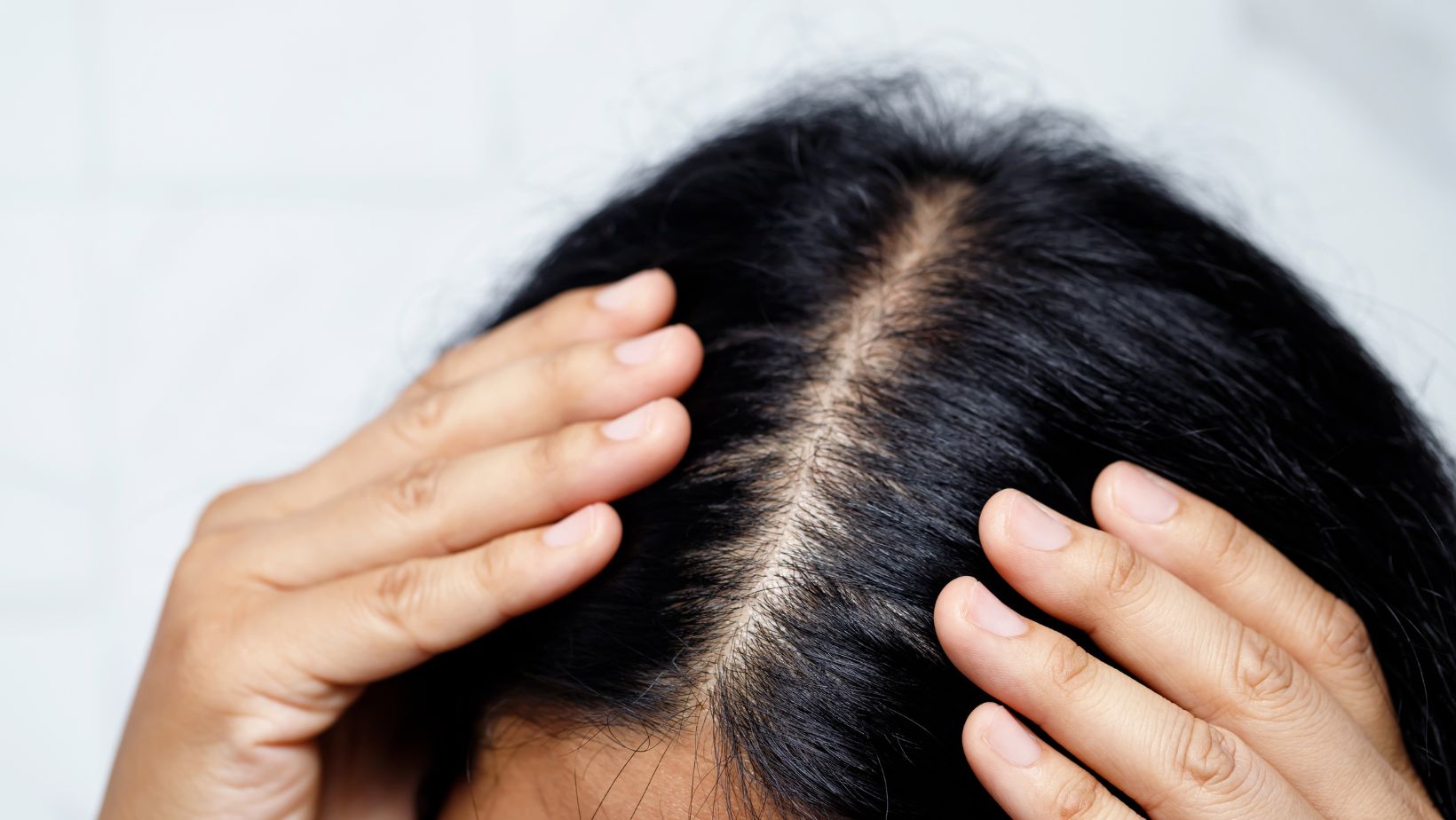
After pregnancy, it’s common for women to notice more hair on their pillow or in the shower. During pregnancy, higher oestrogen levels keep hair in a growth phase, which is why it often looks thicker and fuller. After childbirth, those hormones drop, and a large number of hairs enter the shedding phase at once. This condition, known as telogen effluvium, usually appears a few months after delivery and can last up to a year.
While it’s a natural process, the emotional impact can be significant. Many new mothers already feel vulnerable adjusting to postnatal life, and sudden hair thinning can make that period even more stressful. Understanding that it’s temporary and treatable helps ease much of the anxiety — but medical guidance can make the recovery faster and smoother.
When to Seek Treatment
Although postpartum hair loss often corrects itself over time, not all cases are the same. If shedding continues beyond a year, or if hair fails to grow back evenly, it may be a sign of hormonal imbalance, nutritional deficiency, or genetic factors. Consulting a doctor or trichologist can help identify what’s really going on.
In Singapore, modern clinics now take a holistic approach assessing hormone levels, iron and vitamin D status, thyroid function, and stress patterns. These checks allow doctors to recommend targeted solutions rather than one-size-fits-all products.
Modern Treatments for Women
Hair restoration for women has come a long way. Treatments today are far more refined and tailored to female physiology. Options may include topical serums that stimulate the follicles, oral supplements that support new growth, and low-level laser therapy to strengthen existing strands.
Some women also explore platelet-rich plasma (PRP) therapy, a process that uses the body’s own platelets to rejuvenate hair follicles and encourage regrowth. When performed by qualified professionals, these treatments can lead to visible improvement within months.
For those preferring a less clinical approach, doctors often combine medical therapies with nutritional and lifestyle advice, ensuring the scalp, diet, and mental wellbeing are all addressed.
The Role of Stress, Sleep, and Nutrition
Hair health reflects what’s happening inside the body. Sleep deprivation, common in new mothers, disrupts hormonal rhythms that influence growth cycles. Iron deficiency, low protein intake, or rapid weight loss after childbirth can also make shedding worse.
Simple adjustments can make a real difference, eating iron-rich foods, hydrating well, and getting regular rest. Supplements containing biotin, zinc, and vitamin B12 may also help, though they should always be used under professional advice to avoid imbalances.
A Shift in Attitude and Awareness
In the past, women were often told that postpartum hair loss was something to “just live with.” Today, that attitude is changing. More women are seeking help early, thanks to greater awareness and easier access to care.
Telemedicine has played a part too. Women can now consult doctors online, discuss symptoms privately, and receive prescribed treatments without the need to visit multiple clinics. This has made hair loss care more approachable, especially for new mothers balancing family life.
Emotional Recovery and Self-Image
Hair loss isn’t just a physical issue, it can affect self-esteem and social confidence. Many women describe feeling less like themselves during this period. Acknowledging that emotion is important. Support from family, open conversations, and professional reassurance can make recovery easier.
Healthcare providers in Singapore are also becoming more sensitive to this emotional side. Consultations often include lifestyle coaching and mental wellness support, recognising that confidence and health are closely connected.
Looking Ahead
The rise of advanced, personalised care for female hair loss shows how far the conversation has come. It’s no longer about quick fixes or miracle oils, but about evidence-based care, consistency, and self-compassion.
Whether it’s postpartum shedding or gradual thinning, today’s medical landscape offers real, lasting solutions. With the right guidance, women can expect not just healthier hair, but a renewed sense of self,one that grows stronger, just like their recovery.