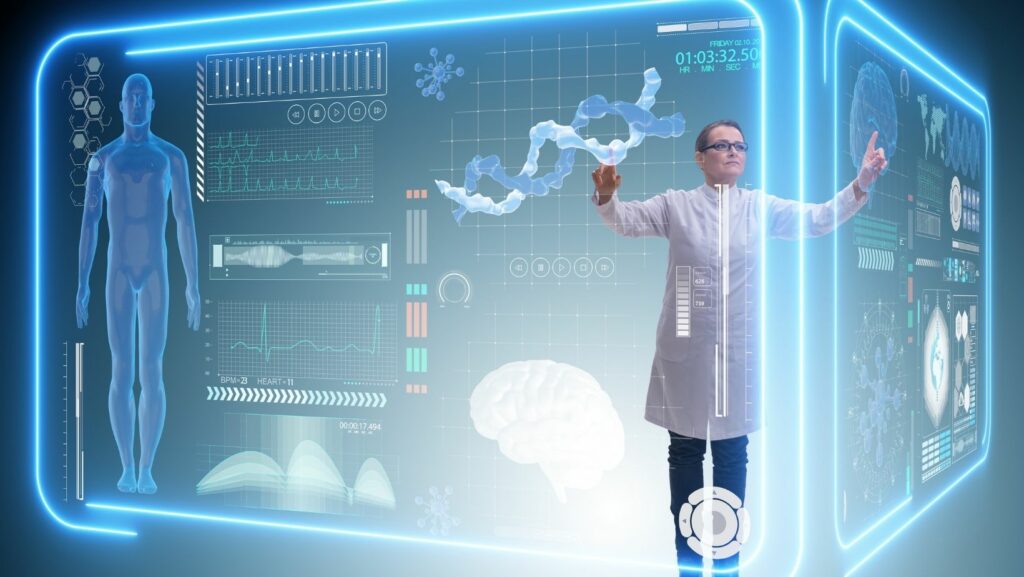

Picture this: A patient sits in a waiting room, scrolling through their phone. They see an ad for a new diabetes management app—one that seems to know exactly what they need. It’s not a coincidence. It’s AI in healthcare marketing, quietly reshaping how clinics, hospitals, and health brands reach people. If you’ve ever wondered why some health messages feel like they’re speaking right to you, here’s the secret sauce.
Why AI in Healthcare Marketing Feels Personal
Let’s break it down. AI in healthcare marketing isn’t just about fancy tech. It’s about making real connections. Imagine a chatbot that remembers your last appointment, or an email campaign that knows you’re due for a checkup. These aren’t just nice touches—they’re powered by algorithms that learn from your behavior.
Here’s why this matters: People crave relevance. When a hospital sends a generic newsletter, most folks hit delete. But when that same hospital uses AI to send a reminder about a flu shot—right before flu season, to people in high-risk zip codes—open rates jump. That’s not magic. That’s data, timing, and a little bit of empathy, all rolled into one.
How AI in Healthcare Marketing Works
Personalized Content: No More One-Size-Fits-All
Remember the last time you got a health tip that actually applied to you? That’s AI at work. By analyzing demographics, past interactions, and even social media activity, AI in healthcare marketing crafts messages that feel handpicked. If you’re a new mom, you’ll see tips on baby care. If you’re managing high blood pressure, you’ll get recipes and reminders tailored to your needs.
Chatbots and Virtual Assistants: Always On, Never Tired
Ever tried to book an appointment at midnight? AI-powered chatbots make it possible. They answer questions, schedule visits, and even follow up after your appointment. For healthcare marketers, this means more touchpoints and happier patients. For patients, it means less waiting and more control.
Real-World Wins (and a Few Fumbles)
Let’s get specific. Cleveland Clinic used AI in healthcare marketing to segment its audience and send targeted wellness tips. Result? A 30% jump in email engagement. On the flip side, a major insurer tried to automate all customer service with AI. Patients felt ignored, and satisfaction scores dropped. Lesson learned: AI works best when it supports, not replaces, the human touch.
Here’s the part nobody tells you: AI in healthcare marketing isn’t perfect. Algorithms can miss the mark. Sometimes, a well-meaning reminder comes off as creepy. The key is balance—using AI to enhance, not overwhelm, the patient experience.
Who Should Use AI in Healthcare Marketing?
If you run a small clinic and want to build trust with your community, AI can help you send timely, relevant messages. If you’re a big hospital system juggling thousands of patients, AI can keep your outreach organized and effective. But if you’re not ready to invest in data privacy or don’t have clear goals, AI might not be for you—yet.
Actionable Strategies for Smarter Healthcare Marketing
- Start Small: Use AI to automate appointment reminders or follow-up emails. Track what works and what doesn’t.
- Segment Your Audience: Don’t blast the same message to everyone. Use AI to group patients by age, condition, or location.
- Test and Learn: Run A/B tests on subject lines, images, and send times. Let AI crunch the numbers and show you what sticks.
- Respect Privacy: Always get consent before using patient data. Be transparent about how you use AI in healthcare marketing.
- Keep the Human Touch: Use AI to handle routine tasks, but make sure real people are available for complex questions.
What Most Marketers Get Wrong
If you’ve ever felt overwhelmed by tech jargon, you’re not alone. Many marketers think AI in healthcare marketing means buying expensive software or hiring a team of data scientists. Here’s the truth: You can start with simple tools. Even basic email platforms now offer AI features. The real challenge isn’t the tech—it’s knowing your audience and speaking to their needs.
Another common mistake? Forgetting the emotional side. Healthcare is personal. People want to feel seen and heard, not just processed by an algorithm. The best AI in healthcare marketing strategies blend data with empathy. They use AI to listen, not just talk.
What’s Next for AI in Healthcare Marketing?
Let’s peek ahead. AI in healthcare marketing will get smarter. Soon, we’ll see virtual health coaches that remember your goals, or apps that spot early signs of illness from your wearable data. But here’s the catch: Trust will matter more than ever. Patients will expect transparency about how their data is used. Marketers who respect that trust will win.
If you’re ready to try AI in healthcare marketing, start with one small experiment. Track your results. Listen to feedback. Adjust as you go. The future isn’t about robots replacing people—it’s about people using AI to connect in ways that feel more human, not less.
So, if you’ve ever wondered how to make your healthcare marketing feel less like spam and more like a lifeline, AI might be your answer. Just remember: The best connections start with understanding, not just algorithms.