
Community Health Link: Building Stronger Communities Together
When we think about our health, it’s usually in the context of personal routines and choices, like choosing a salad over fries. But, there’s a broader picture we can’t afford to overlook: community health. You might be wondering, “What’s the big deal?” Well, let’s take a whimsical jump into why our neighborhood wellness matters, and spoiler alert, it’s more connected than we think. So grab your metaphorical health goggles, and let’s swim in the deep end of community health together.
Understanding Community Health
Community health isn’t just a buzzword tossed around at health expos. It’s the collective wellness of the people in our community. Essentially, it’s how our streets, parks, schools, and even coffee shops contribute to our overall health. When we talk about this, we’re looking at physical health, mental well-being, and even social factors that greatly influence our quality of life.
To put it plainly, community health links us all. When one person suffers, we all feel that ripple. It influences how diseases spread, access to healthcare services, and even local resources that bolster our healthy habits.
Importance of Community Health Initiatives
Why should we champion community health initiatives, you ask? Well, for starters, they often lead to reduced healthcare costs. When we invest in our community’s wellness, we can prevent diseases before they spiral out of control. Think of it as community insurance, but without the fine print.
Also, initiatives promote awareness and education. Remember the age-old saying, “Knowledge is power?” That rings true for community health. The more informed we are about available resources, mental health support, and healthy lifestyle choices, the better decisions we make collectively.
Key Components of Community Health Programs
Every community health program has vital ingredients that contribute to its success. Here are some key components we should keep in mind:
Access to Healthcare: This is a cornerstone. When we have easy access to local clinics and specialists, it boosts our community’s health.
Education and Awareness: Regular workshops, health fairs, and outreach programs bring the information right to our doorsteps.
Partnerships: Collaborations with schools, local businesses, and health organizations cultivate a network that supports community initiatives.
Cultural Competence: We must ensure that health programs acknowledge and respect various cultural backgrounds within our community.
Challenges in Community Health Engagement
While the vision of perfect community health can seem idyllic, we face many hurdles. Here’s where reality kicks in.
Firstly, not everyone has equal access to resources. Some neighborhoods are rich in health services, while others are reminiscent of a ghost town after dark. Then, there’s motivation, or lack thereof. Many might wonder why they should attend a workshop when Netflix is calling their name louder than a community health expert.
Also, misconceptions about health issues can spread like wildfire and create barriers. Overcoming these challenges demands creativity and persistent love for our community.
Strategies for Effective Community Health Links
Building effective community health links requires strategic thinking. We can take several approaches:
Incentivize Participation: Who doesn’t love a good freebie? Offering incentives for attending health workshops can encourage more community members to engage.
Leverage Technology: Using mobile apps and social media platforms can spread the word faster than a rumor at a coffee shop.
Create Safe Spaces: Establishing spaces where people feel comfortable discussing health issues fosters open communication.
Tailor Programs: Recognizing that one size doesn’t fit all is crucial. We must address the specific needs of different community segments, ensuring everyone feels included.
Case Studies of Successful Community Health Links
Let’s get inspired by some successful community health links:
Health Initiative in Local Schools: One community partnered with local schools to develop health programs aimed at getting students involved in outdoor activities. This not only enhanced physical health but also cultivated friendships among students, talk about a win-win.
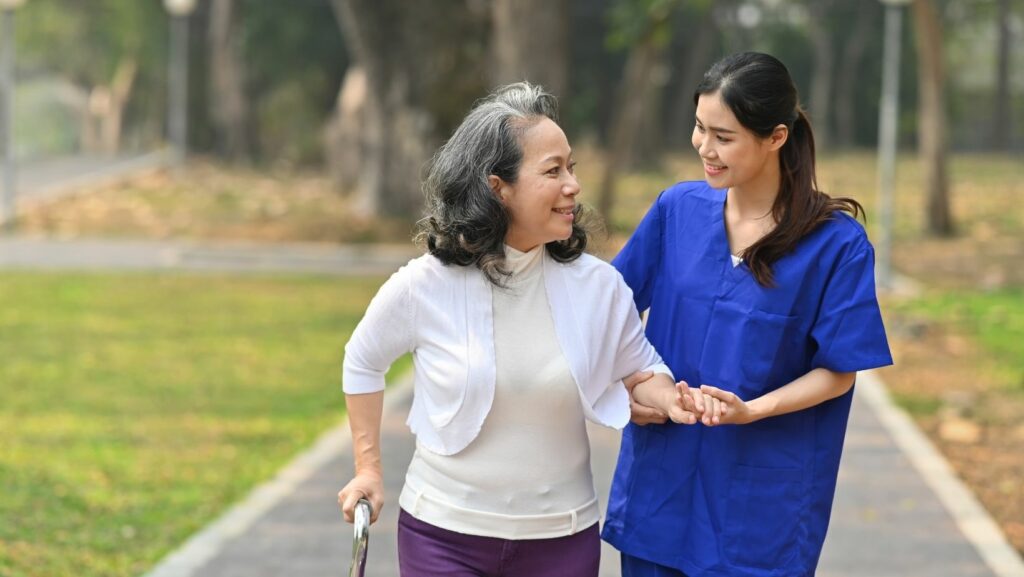
Neighborhood Health Walks: A community began organizing weekly health walks, creating an inviting space for residents to connect while breaking a sweat. This has improved both their physical and mental health while fostering a sense of community.
These case studies remind us that with a bit of creativity and effort, we can make significant strides in our community health initiatives.